
LIFE STYLE
Wollmatten Explained: Why Wool Mats Are Becoming a Smart Choice for Modern Homes

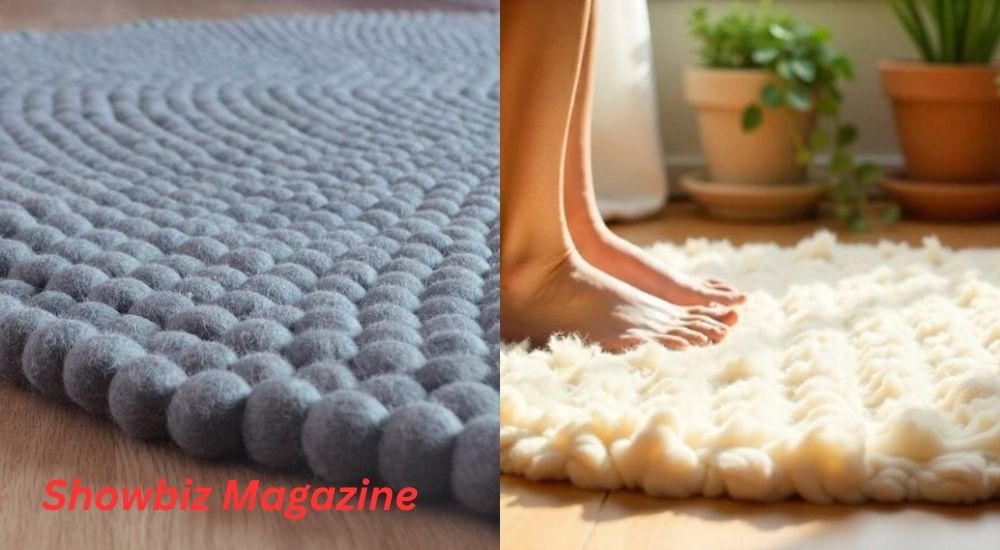
Wollmatten are best understood as wool mats used for comfort, insulation, and practical home styling. While the keyword may look unfamiliar, the underlying product fits the wider world of wool home materials, which are valued for warmth, durability, moisture handling, and long-term comfort. Recent articles and industry material around wool-based home products consistently highlight thermal comfort, sound absorption, resilience, and sustainability as key reasons people choose them for living spaces.
| Quick Facts | Details |
|---|---|
| Keyword | Wollmatten |
| Best Meaning | Wool mats / wool-based home mats |
| Main Uses | Comfort, warmth, insulation, decor |
| Common Benefits | Durability, moisture management, sound absorption |
| Best Rooms | Bedroom, hallway, living room, reading corner |
| Buyer Focus | Material quality, weave density, backing, maintenance |
The reason wollmatten are gaining attention is simple: buyers want natural materials that feel premium without looking overly flashy. Wool-based mats and rugs are repeatedly described by home and insulation sources as strong, naturally resilient, moisture-managing, and better at supporting comfort in interiors than many low-cost synthetic alternatives. That makes the keyword useful for readers searching for a practical home upgrade rather than a short-lived decor trend.
What Are Wollmatten?
In practical terms, wollmatten are wool mats or wool-based floor mats designed to add warmth, softness, and function to a room. Some recent web content around the keyword uses “wollmatten” as a broad label for mats made from wool or wool-rich fibers, while related German terminology such as Wollmatte also points in the same direction. The strongest consistent interpretation is that the keyword belongs in the home and lifestyle category, not celebrity or biography content.
This matters for SEO because user intent is not about a person or brand story. It is about product understanding. Readers want to know what wollmatten are, whether they are worth buying, where they work best, and how they compare with ordinary mats or synthetic rugs. A strong article should answer those questions clearly instead of forcing the keyword into the wrong category.
Why Wool Mats Feel Different From Ordinary Mats
One of the main reasons wool mats stand out is fiber structure. Wool fibers are naturally elastic and resilient, which helps them recover from pressure and foot traffic better than many flatter, cheaper materials. Home-rug and wool-product sources repeatedly point to this natural spring and durability as one of wool’s biggest long-term advantages.
That resilience changes the real-life experience of using a mat. A good wollmatte does not only look soft on day one. It also tends to hold shape better, feel fuller underfoot, and remain visually appealing longer when placed in lived-in parts of the home. For homeowners trying to balance comfort and value, that is a big part of the appeal.
The Comfort Advantage of Wollmatten
Comfort is one of the clearest selling points of wool mats. Multiple home-interior and rug sources describe wool as warm, soft, and able to create a more inviting feel in a room. Even simple floor coverings can noticeably change how a hallway, bedroom, or living area feels when the material underfoot has more body and warmth.
This is especially useful in homes with cold floors, echo-heavy spaces, or rooms that feel visually finished but physically hard. Wollmatten help soften the environment, not only through appearance but through actual tactile comfort. That is why they work especially well in reading corners, bedside placements, corridors, and family living areas.
Natural Warmth and Insulation
Wool’s insulating value is one of the most repeated benefits in authoritative and industry-adjacent material. Sources discussing wool insulation and wool home products say wool slows heat transfer, supports thermal comfort, and helps interiors feel warmer in cold conditions. Even though a floor mat is not the same as structural insulation, the same core material property supports a warmer feel underfoot.
That is a major reason wollmatten suit modern homes well. They offer a practical comfort upgrade without requiring renovation. In simple terms, a wool mat helps make a space feel less cold and less harsh. For many buyers, that small daily improvement matters more than decorative trends.
Moisture Handling and Indoor Comfort
Another strong argument for wool mats is moisture management. Several sources on wool insulation and wool materials explain that wool can absorb and release moisture without immediately feeling wet and without losing its basic performance qualities. This hygroscopic behavior is one of the material’s most useful natural traits.
For everyday home use, that means wool can contribute to a more balanced indoor feel than some synthetic materials that simply trap moisture or feel unpleasant quickly. It does not mean a wool mat should stay damp or be neglected, but it does mean wool is better suited than many people realize for real homes where humidity and daily use vary.
Sound Absorption and a Calmer Room
Wool products are also commonly praised for sound absorption. Industry and product sources say wool helps reduce noise transmission and contributes to quieter indoor environments. On a floor level, this can mean less harsh footstep sound, less echo, and a softer acoustic feel overall.
That makes wollmatten useful beyond bedrooms. In apartments, upstairs rooms, home offices, and busy family areas, a wool mat can help reduce the sharpness of sound without requiring major interior changes. It is a small improvement, but often a noticeable one.
Why Wollmatten Appeal to Sustainability-Minded Buyers
Sustainability is another major reason wool products keep gaining attention. Several recent sources describe wool as renewable and biodegradable, and contrast it with synthetic materials that rely more heavily on petrochemicals. This does not automatically make every wool product perfect, but it does give wool a stronger environmental story than many plastic-heavy alternatives.
That matters because buyers today often want home products that feel both useful and responsible. Wollmatten fit that preference well when the wool content is genuine and the build quality is strong. They offer a natural-material identity that supports both comfort and a more thoughtful home aesthetic.
Best Places to Use Wollmatten at Home
The best locations for wollmatten are spaces where comfort and daily use overlap. Bedrooms are an easy fit because wool mats add warmth to first steps in the morning. Hallways also work well because wool’s resilience helps it handle repeated foot traffic. Living rooms, reading corners, and quiet work areas also benefit from the texture and softness wool adds.
They can also work in entry-adjacent spaces if the construction is sturdy and the mat is not constantly exposed to soaking wet shoes. The smarter approach is to use wollmatten in places where comfort, insulation, and softness matter more than extreme dirt handling. That keeps the product looking better and performing longer.
How to Choose the Right Wollmatten
When choosing wollmatten, the first thing to check is material composition. A high wool content generally supports the comfort, resilience, and moisture-handling qualities buyers expect. After that, look at weave density or pile quality, because those factors influence how full and durable the mat will feel over time. Recent rug and wool-material discussions consistently connect product longevity with fiber quality and structural resilience.
Backing also matters. A good mat should sit securely and suit the room where it will be used. Then consider thickness, room size, and intended purpose. A bedside wollmatte can prioritize softness, while a hallway wool mat should lean more toward durability and shape retention. The best choice depends less on trend and more on where the product will actually live.
Are Wollmatten Worth the Price?
Wool mats often cost more than budget synthetic mats, so value is an important question. The strongest case in favor of wool is not that it is always cheaper. It is that good wool products are often more durable, more comfortable, and more visually lasting over time. Several rug-focused sources frame wool as a long-term home investment rather than a disposable decor item.
For buyers who replace low-cost mats frequently, a better-quality wollmatte may end up feeling more worthwhile. The experience is usually better day to day, and the product tends to stay presentable longer. That makes the higher upfront cost easier to justify in rooms you use constantly.
Cleaning and Caring for Wollmatten
Care matters if you want a wool mat to stay attractive. Wool’s resilience helps, but routine maintenance is still important. Product and rug sources emphasize longevity when wool is properly maintained, and that generally means regular light cleaning, rotating mats in high-traffic zones, and avoiding habits that grind dirt deeply into the fibers.
The practical rule is simple: treat wollmatten as quality home textiles, not as throwaway utility pieces. Shake out loose dirt when appropriate, vacuum gently according to the mat’s structure, and handle spills promptly instead of letting moisture sit. Good care protects both appearance and texture.
Common Mistakes Buyers Make
A common mistake is buying by appearance alone. A mat can look soft online and still perform poorly if the wool content is low or the construction is weak. Another mistake is using a wool mat in the wrong place, such as a heavily soaked entry zone where repeated wetness and dirt are constant. Those conditions can shorten the life of almost any textile floor product.
Buyers also sometimes assume all wool products are identical. They are not. Quality varies, backing varies, density varies, and intended use varies. The more closely you match the mat to the room and use case, the happier you are likely to be with the result.
Why Wollmatten Work Well in Modern Interiors
Modern interiors often aim for a balance of clean design and lived-in comfort. Wool mats fit that balance well because they can feel understated rather than loud, while still improving the room in practical ways. Industry commentary on wool interiors repeatedly connects wool with comfort, warmth, natural texture, and a calmer home environment.
That means wollmatten can suit minimalist spaces just as easily as cozy, layered rooms. They are versatile because the material itself does much of the work. Even a simple wool mat can make a room feel softer, warmer, and more complete without dominating the design.
Final Thoughts on Wollmatten
Wollmatten are gaining attention because they offer something many buyers want right now: natural comfort with practical benefits. Across recent and established sources on wool materials, the same strengths keep appearing—warmth, resilience, moisture handling, sound absorption, and sustainability. That combination makes wool mats more than a decorative extra. It makes them a smart home product for people who care about how a space actually feels.
For the right buyer, a good wollmatte is not just a mat. It is a small upgrade in daily comfort. And that is exactly why the keyword has started to feel more relevant: it speaks to practical living, not just trend-driven styling.
FAQs About Wollmatten
What are wollmatten?
Wollmatten are best understood as wool mats or wool-based floor mats used for warmth, comfort, and home styling.
Are wollmatten good for modern homes?
Yes. Wool-based mats are repeatedly associated with comfort, durability, sound absorption, and natural warmth, which fit modern interiors well.
What are the main benefits of wollmatten?
The main benefits are warmth, resilience, moisture management, sound absorption, and a more sustainable material profile than many synthetic alternatives.
Are wool mats durable?
Yes. Multiple rug and wool-material sources describe wool as naturally strong and resilient, helping mats and rugs keep their shape better over time.
Do wollmatten help with cold floors?
Yes. Wool is widely associated with thermal comfort and insulation, which helps mats feel warmer underfoot.
Can wollmatten handle moisture well?
Wool is known for absorbing and releasing moisture while supporting indoor comfort, though mats should still be cared for properly and not left wet.
Are wollmatten eco-friendly?
Wool is commonly described as renewable and biodegradable, which gives wool mats a stronger sustainability story than many synthetic options.
Where should I use wollmatten?
They work especially well in bedrooms, hallways, living rooms, reading corners, and other areas where warmth and comfort matter.
Are wollmatten worth buying?
They can be worth it for buyers who want long-term comfort, natural materials, and better durability than many cheap mats offer.
How do I choose good wollmatten?
Check the wool content, construction quality, density, backing, and whether the mat suits the room where you plan to use it.

Who Is Arleata Williams? The Quiet Story Behind Otis Williams’ Former Wife

Who Is Islah Koren Gates? Inside Kevin Gates’ Daughter’s Private Life Now

Wynonna Judd Performance Reaction: Why Fans Couldn’t Stop Talking About Her Latest Live Moment

Roxy Sorkin Explained: Her Background, Career, and Growing Spotlight

Erica Herman: The Private Life and Public Spotlight Around Tiger Woods’ Former Partner

Mary Beougher: The Quiet Strength Behind Randy Travis’s Comeback Story.
-
 CELEBRITY3 days ago
Roxy Sorkin Explained: Her Background, Career, and Growing Spotlight
-
 CELEBRITY3 days ago
Erica Herman: The Private Life and Public Spotlight Around Tiger Woods’ Former Partner
-
 CELEBRITY3 days ago
Mary Beougher: The Quiet Strength Behind Randy Travis’s Comeback Story.
-

 CELEBRITY3 days ago
Claude Edward Elkins Jr and the Story Behind the Name People Search
-

 CELEBRITY3 days ago
Daniel Clifton Pratt: The Untold Story of Chris Pratt’s Father.
-

 CELEBRITY3 days ago
Bhavna Vaswani: The Private Story Behind M. Night Shyamalan’s Wife
-

 CELEBRITY3 days ago
Janet Condra: The Quiet Story Behind Larry Bird’s First Marriage
-

 CELEBRITY2 days ago
Ibrahim Chappelle: The Quiet Life of Dave Chappelle’s Private Son.